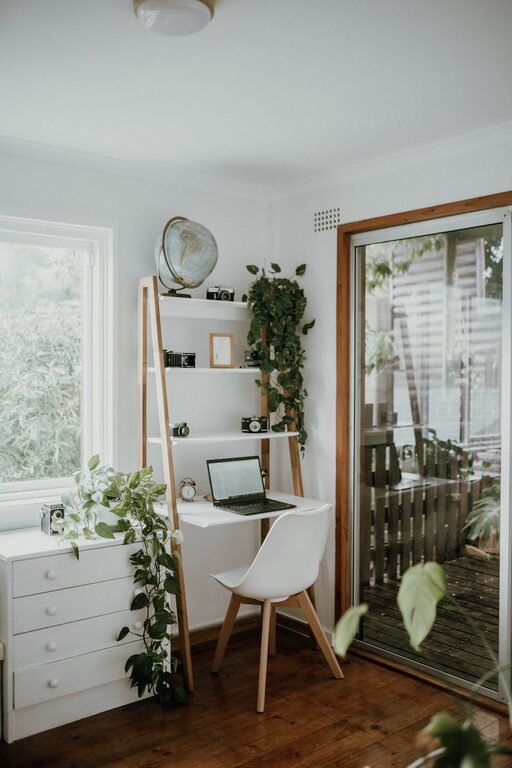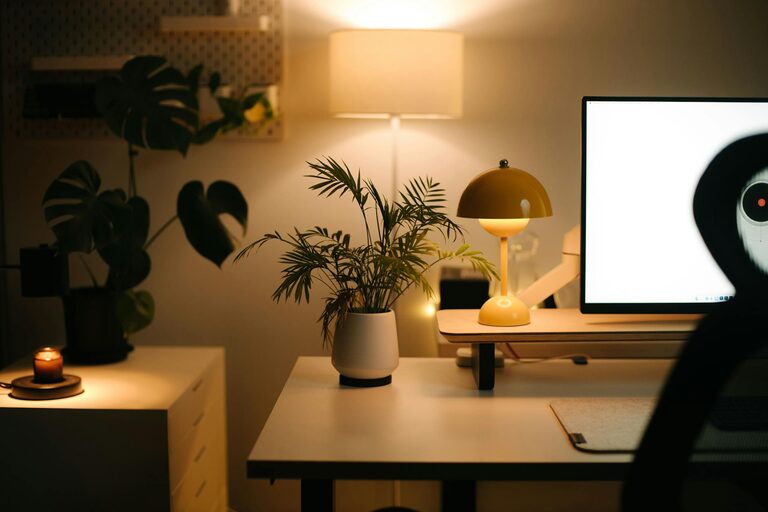
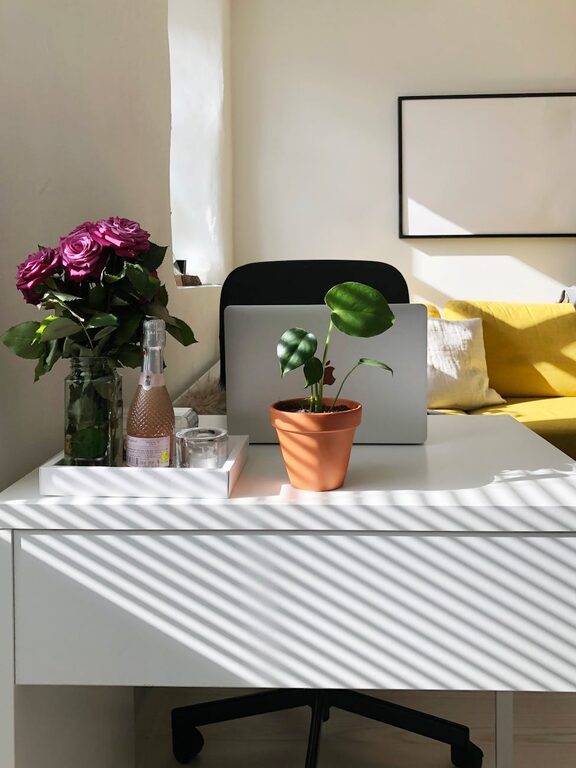
Creating a home office that feels both cozy and functional can transform your workday. Whether you’re working remotely full-time or need a dedicated space for occasional projects, having a comfortable and organized environment helps boost focus, reduce stress, and increase productivity. Here are some practical tips to create a home office that suits your needs and feels inviting.
1. Choose the Right Location
Finding the best spot for your home office is the first step. Ideally, select a quiet area with minimal distractions. This could be a spare room, a corner in your living room, or even a nook by a window.
– Consider natural light: Position your desk near a window if possible. Natural light helps reduce eye strain and improves mood.
– Think about proximity: If you live with others, choose a space away from high-traffic areas to maintain focus.
– Accessibility matters: Make sure your office is easy to access but separate enough to create a mental boundary between work and leisure.
2. Invest in Comfortable Furniture
A cozy office starts with the right furniture. Since you’ll spend a lot of time at your desk, comfort should be a priority.
– Ergonomic chair: Look for a chair that supports your posture, with adjustable height and lumbar support.
– Desk size: Choose a desk that comfortably fits your computer, notebooks, and any other work tools without feeling crowded.
– Additional seating: If space allows, add a small armchair or a bench where you can take breaks or hold casual meetings.
3. Keep Your Workspace Organized
Clutter can distract and stress you out. Staying organized allows you to find what you need quickly and keeps the room visually appealing.
– Storage solutions: Use shelves, filing cabinets, or desk organizers to keep documents and supplies tidy.
– Cable management: Invest in clips or cable sleeves to keep cords neat and prevent tangling.
– Minimalist approach: Only keep essentials on your desk to maintain a clean and calming vibe.
4. Personalize Your Space
Adding personal touches makes your office feel welcoming and inspiring without sacrificing professionalism.
– Plants: Small indoor plants bring life and improve air quality.
– Artwork or photos: Hang pictures or artwork that motivate you or bring joy.
– Decor: Use cozy textiles, such as a soft rug or cushions, to add warmth.
5. Optimize Lighting
Lighting affects both comfort and productivity. Besides natural light, include different types of artificial lighting.
– Task lighting: A desk lamp focused on your work area reduces eye strain.
– Ambient lighting: Use soft overhead lights or lamps to create a warm atmosphere.
– Adjustability: Consider lighting options with adjustable brightness to suit different times of day.
6. Incorporate Technology Thoughtfully
Technology is essential but can quickly clutter your space or cause distractions if not managed well.
– Efficient devices: Choose reliable and fast equipment to improve workflow.
– Wireless accessories: Use wireless keyboards, mice, and headphones to reduce cable clutter.
– Tech breaks: Set boundaries for checking emails or social media to stay focused.
7. Create Zones for Different Activities
If you have enough space, designate areas within your office for specific tasks.
– Work zone: Your main desk area for computer-based tasks.
– Reading or brainstorming zone: A comfortable chair with good lighting for reading or thinking.
– Storage zone: Shelves or cabinets to keep all materials organized.
8. Maintain Clean Air and Comfortable Temperature
A cozy office isn’t just about looks; comfort includes good air quality and temperature control.
– Ventilation: Open windows regularly or use an air purifier.
– Temperature control: Use fans, heaters, or air conditioning to keep a comfortable temperature year-round.
– Scents: Consider mild scents from candles or essential oils to create a pleasant atmosphere.
9. Schedule Regular Breaks and Movement
Even the most comfortable and functional office can become taxing if you stay seated too long.
– Take breaks: Set timers to remind yourself to stand, stretch, or walk every hour.
– Active furniture: Consider a sit-stand desk to change positions throughout the day.
– Exercise corner: If space permits, add a yoga mat or small weights for quick exercises.
Final Thoughts
Designing a home office that balances coziness and functionality is a rewarding process. By carefully selecting the location, furniture, lighting, and organization methods, you can create a productive workspace that feels welcoming and motivating. Remember to personalize the space and maintain comfort to support your best work every day.
Start with small changes and adjust as you learn what works best for you. A well-designed home office can make all the difference in your work-from-home experience.
About the Author