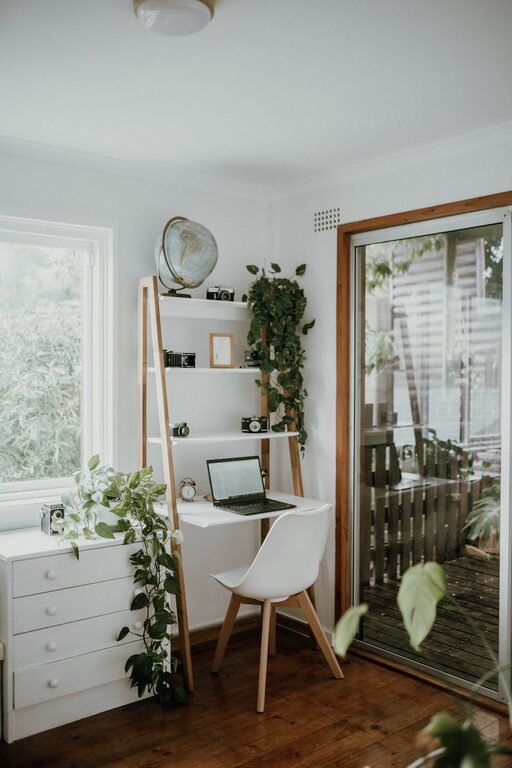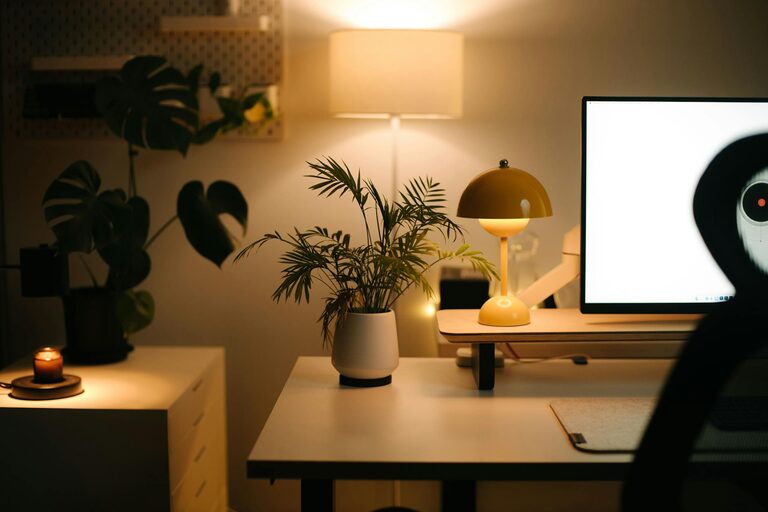

Creating an organized and productive home office environment is essential for anyone working remotely or frequently from home. A well-designed workspace can help reduce distractions, increase efficiency, and improve your overall work experience. Whether you have a dedicated room or just a small corner, these tips will guide you in setting up a home office that works for you.
Choose the Right Location
Before you start buying furniture or organizing supplies, consider where your home office should be. Ideally, select a space that:
– Is quiet and free from frequent disturbances
– Has good natural light to reduce eye strain and boost mood
– Offers enough room for your work essentials without feeling cramped
– Is away from high-traffic areas to maintain focus
If space is limited, even a nook near a window or a section of a larger room can work well.
Invest in Comfortable and Functional Furniture
Ergonomics play a key role in maintaining productivity and preventing discomfort over long work hours.
– Desk: Choose a desk with enough surface area for your computer, paperwork, and any other tools you use regularly. Adjustable desks that allow switching between sitting and standing positions can be a great investment.
– Chair: Pick an ergonomic chair that provides proper lumbar support and allows you to sit comfortably for long periods. Adjustability in height and tilt enhances comfort.
– Storage: Use filing cabinets, shelves, or baskets to keep documents and supplies organized and within reach.
Declutter and Organize Your Space
Keeping your office tidy can significantly reduce stress and help you stay focused.
– Use organizers: Drawer dividers, desktop trays, and cable management tools help prevent clutter from accumulating.
– Limit what’s on your desk: Only keep essentials like your computer, a notebook, and a pen holder on your desk. Store less frequently used items elsewhere.
– Go digital: Reduce paper clutter by scanning important documents and using digital tools for note-taking and task management.
Optimize Lighting
Proper lighting reduces eye strain and creates a welcoming atmosphere.
– Natural light: Position your desk near a window if possible to make the most of daylight.
– Task lighting: Use an adjustable desk lamp to focus light where you need it during evening hours or on overcast days.
– Avoid glare: Place screens perpendicular to windows or light sources to prevent reflections on your monitor.
Create a System for Managing Tasks and Time
Organization extends beyond physical space to how you plan and manage your work.
– Use a calendar: Digital calendars with reminders help you keep track of meetings and deadlines.
– To-do lists: Daily lists can boost focus and satisfaction as you check off completed tasks.
– Time blocking: Allocate specific blocks of time for different types of work, breaks, and meetings to maintain a balanced routine.
Minimize Distractions
Your home office should be a place where you can concentrate and get work done efficiently.
– Noise control: Use noise-canceling headphones or play background music if ambient noise is distracting.
– Limit interruptions: Communicate your work hours to family members or roommates, and use a “do not disturb” sign if necessary.
– Digital focus: Turn off non-essential notifications on your devices and consider apps that block distracting websites during focus periods.
Personalize Your Workspace
Adding a few personal touches makes your workspace more inviting and motivating.
– Plants: Indoor plants improve air quality and add a calming vibe.
– Artwork or photos: Choose inspiring images or personalized decor that make you feel happy and motivated.
– Color choices: Use colors that boost productivity, like blues and greens, or your favorite calming shades.
Maintain Your Workspace Regularly
Set aside time weekly to tidy up, organize paperwork, and reassess your setup.
– Clear out unnecessary items and recycle old documents.
– Wipe down surfaces and clean your equipment.
– Adjust your setup if something isn’t working well.
Regular maintenance helps keep your home office efficient and pleasant to work in.
—
In conclusion, building an organized and productive home office involves thoughtful choices regarding location, furniture, lighting, and organization systems. By creating a space tailored to your needs and preferences, you’ll foster better focus, efficiency, and work-life balance. Start implementing these tips today and watch your home office transform into a hub of productivity.
About the Author