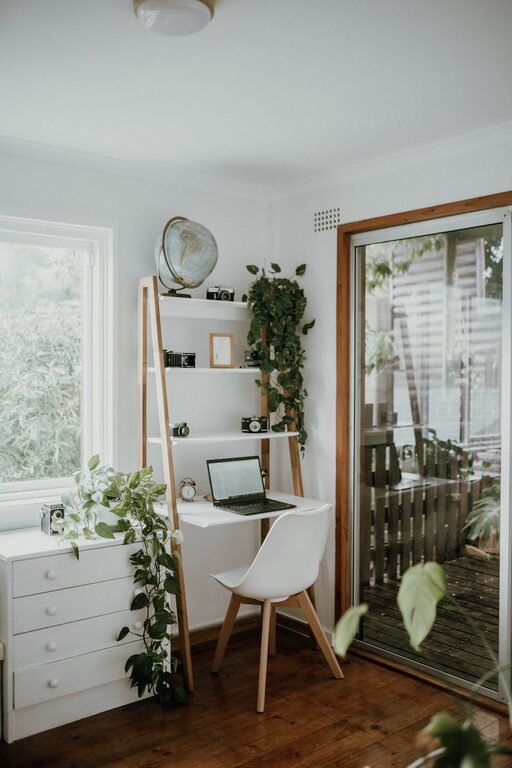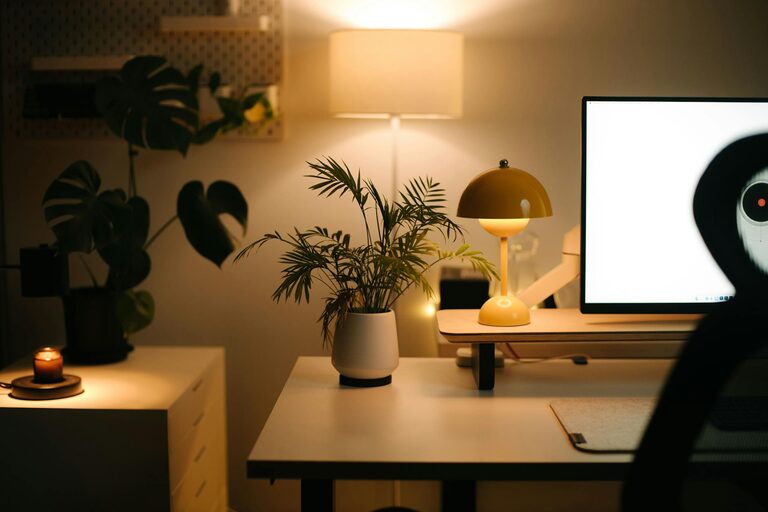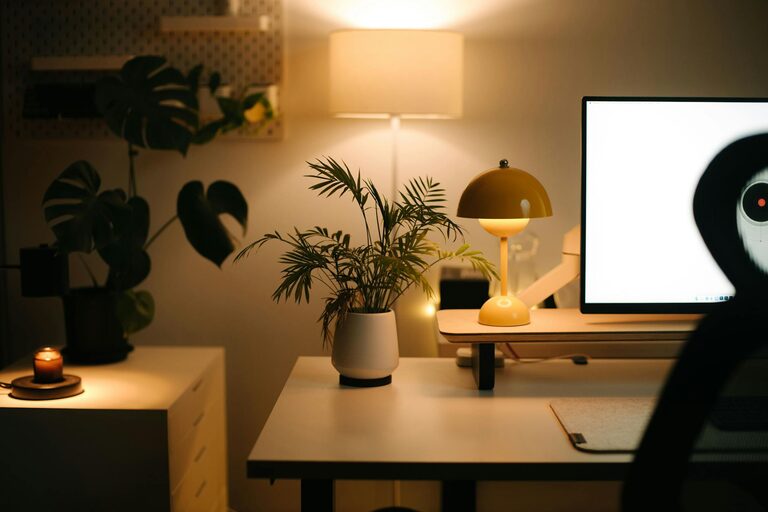
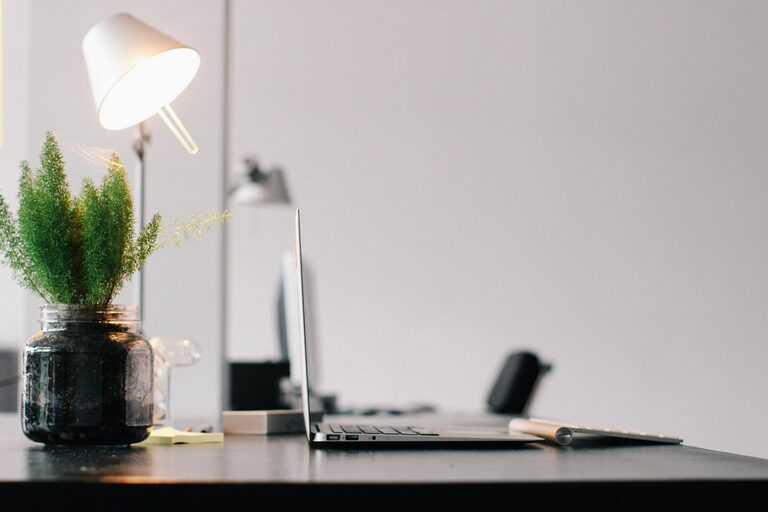
Creating a cozy and productive home office space is essential for anyone working remotely or spending significant time at home on projects. A well-designed workspace can boost your focus, reduce stress, and encourage creativity — all important factors for getting work done effectively. Whether you have a dedicated room or a small corner to spare, there are many ways to transform your home office into a comfortable and inspiring environment.
Choose the Right Location
Selecting the right spot for your home office sets the foundation for your productivity.
– Natural Light: Pick a space near a window if possible. Natural light helps improve mood and reduces eye strain.
– Quiet Area: Look for a quieter corner away from high-traffic zones in your home to minimize distractions.
– Space Considerations: Ensure your office has enough room for your desk, chair, and any equipment, with some extra space for movement.
Invest in Ergonomic Furniture
Comfort plays a vital role in how productive and happy you feel during work hours.
– Desk: Opt for a desk that fits your work style; standing desks are popular, but a sturdy traditional desk works well too.
– Chair: Choose an ergonomic chair with good lumbar support to protect your back during long hours of sitting.
– Monitor Stands and Keyboard Trays: These help maintain proper posture and prevent neck or wrist strain.
Organize Efficiently
A clutter-free workspace promotes focus and reduces stress.
– Storage Solutions: Use shelves, drawers, or filing cabinets to keep documents and supplies organized.
– Desk Organization: Keep only essential items on your desk; use trays or organizers for pens, notebooks, and gadgets.
– Cable Management: Use cable clips or sleeves to prevent tangled cords and maintain a neat look.
Create a Pleasant Atmosphere
A cozy office should feel inviting and personalized to keep you motivated.
– Colors: Choose calming or inspiring colors that suit your taste, such as soft blues or warm neutrals.
– Plants: Indoor plants improve air quality and add a touch of nature, which can reduce stress.
– Lighting: Combine natural light with adjustable task lighting, such as desk lamps, to reduce eye fatigue.
– Personal Touches: Add artwork, photos, or meaningful objects that make the space feel uniquely yours without creating distractions.
Minimize Distractions
Maintaining focus is easier in a workspace designed to limit interruptions.
– Noise Control: Use noise-canceling headphones or play gentle background music if ambient noise is an issue.
– Technology Boundaries: Keep your phone out of reach or on silent when working unless necessary.
– Separate Work and Leisure: Avoid working in areas associated with relaxation, such as your bedroom, if possible.
Incorporate Functional Technology
The right tools can streamline your workflow and prevent technical frustrations.
– Reliable Internet: Invest in a strong and stable internet connection to avoid disruptions.
– Essential Devices: Have a quality computer, printer, and other necessary tech that suits your tasks.
– Software: Use productivity apps, task managers, or calendar tools to stay organized.
Maintain a Healthy Routine
Your environment supports your habits, so design your office to encourage balance.
– Regular Breaks: Include space for stretching or standing to avoid physical stiffness.
– Hydration: Keep a water bottle nearby to stay hydrated.
– Exercise Area: If space allows, add a yoga mat or small equipment for quick workouts or relaxation techniques during breaks.
Personalize Without Overcrowding
While personal touches are motivating, overcrowding your space can have the opposite effect.
– Limit Decorations: Choose a few meaningful items rather than many small things.
– Functional Decor: Consider items that combine function and style, like decorative storage boxes or inspiring quote prints.
– Seasonal Changes: Refresh your space occasionally by rotating decor to keep things fresh and interesting.
—
By thoughtfully considering location, comfort, organization, and ambiance, you can create a home office that is both cozy and highly productive. Remember, the best workspace is one that supports your work style and well-being — so make adjustments as needed to find what suits you best.
About the Author